
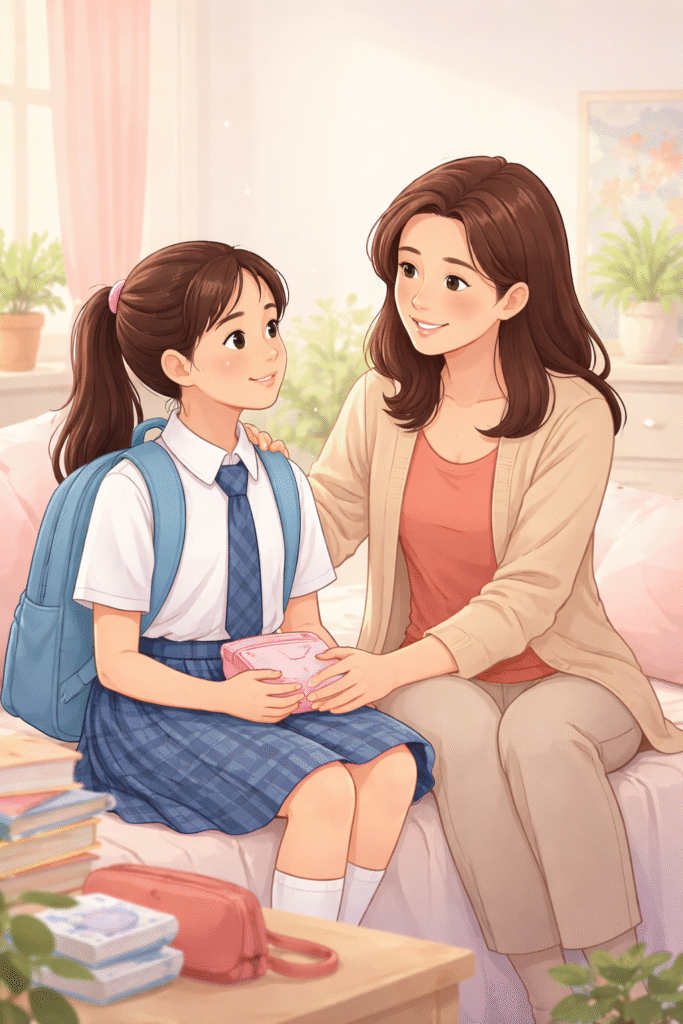
Puberty Care for Girls
A gentle guide to growing up with confidence and care
🌸 Growing Up Is Natural — And You’re Not Alone
Growing up is a beautiful journey, but for many girls, the years of puberty can also feel confusing, uncomfortable, and sometimes even frightening. Changes start happening in the body quietly — breasts begin to develop, body shape changes, new hair appears, and emotions may feel unfamiliar.
Often, girls don’t know what is normal and what to expect next. They may feel shy to ask questions, worried that something is “wrong”, or embarrassed to talk about periods and body changes — especially in school or around friends.
Parents, too, may feel unsure about how much to explain, when to explain, and what is normal.
This page is created to gently guide both girls and their parents through this important phase of life — with clarity, kindness, and reassurance.
🌼 Puberty Is Not a Problem — It Is a Phase of Growth
Puberty is a natural biological process, not a disease or a problem. It is the body’s way of preparing a girl for adulthood. Every girl’s body follows its own timeline, and there is no single “right” age for these changes to begin.
Some girls develop earlier, some later — both are normal.
What matters most is that girls feel:
Informed
Supported
Confident
Comfortable asking questions
Open conversations at home and a calm approach from parents make this journey much easier and healthier.
🌷 What Usually Happens During Puberty?
As puberty begins, the body goes through gradual changes:
Breast development is usually the first visible sign
Body hair may start appearing in the underarms and pubic area
A white vaginal discharge may be noticed
Mild lower abdominal discomfort may occur
Periods usually start after these changes, not suddenly
These changes do not happen overnight. They take place slowly over months and years, giving the body time to adjust. Girls should be reassured that these signs are normal, and they are not alone in experiencing them.
🤍 Talking Openly Makes a Big Difference
Girls should be encouraged to talk comfortably and openly about their body changes — whether it is with their mother, a trusted family member, or a doctor.
There is nothing shameful about periods, body hair, breast development, or emotions during puberty. When adults respond calmly and without judgment, girls learn to accept their bodies with confidence instead of fear.
A gentle conversation today can prevent anxiety and misunderstanding tomorrow.
🌸 Learning to Care for the Body with Confidence
An important part of puberty is learning self-care, especially when periods begin. Understanding menstrual hygiene helps girls feel prepared and confident, whether they are at home or at school.
This is also the time to teach girls that:
Accidents can happen
Stains are not their fault
Asking for help is okay
Their body deserves care and respect
Emotional reassurance is just as important as physical guidance.
🌼 When to Seek Medical Guidance
Most changes during puberty are normal and do not need treatment.
However, a gynecologist should be consulted in certain situations — not out of fear, but to ensure healthy growth and provide reassurance.
A visit is advised if:
Periods start before 8 years of age
Early onset of periods needs evaluation to understand the cause and guide further growth.Periods have not started till 15 years of age
Delayed periods may require simple assessment to rule out hormonal or developmental issues.No breast development by 13 years of age
Breast development usually starts about 2 years before the first period, so its absence needs evaluation.Periods are very heavy
If bleeding is excessive, soaking pads frequently, or causing weakness, medical advice is important.Periods last more than 7 days
Prolonged bleeding should not be ignored.Periods stop for three consecutive months (after they have already started)
This may indicate hormonal imbalance or other underlying causes.Severe period pain affecting daily activities
Pain that stops a girl from going to school or routine work needs assessment.A first routine gynecological visit around 12 years of age
This visit is mainly for guidance, reassurance, and education, not treatment. It helps girls and parents understand what to expect and clears fears early.
Early consultation often prevents anxiety and avoids unnecessary worry later.
🌼 Learning to use a sanitary napkin with confidence
Teaching a girl how to use a sanitary napkin properly is an important part of puberty care. This knowledge gives her confidence and independence, especially when she is at school.
Key points to teach gently:
A sanitary napkin should be changed every 4–6 hours, even if bleeding is less
Hands should be washed before and after changing the napkin
Used napkins should be wrapped in paper or newspaper and disposed of properly
Girls should be encouraged to carry 1–2 extra sanitary napkins in their school bag
Wearing comfortable underwear and keeping the area clean helps prevent irritation and infection
Girls should also be reassured that:
Stains can happen, especially in the beginning
It is not their fault
They should not panic and can seek help from a trusted teacher or adult
Preparing them emotionally is just as important as teaching the steps.
🌷 A gentle reminder for parents
How parents talk about periods deeply affects how a girl feels about her body. Calm explanations, reassurance, and normalizing menstruation help girls grow with confidence instead of fear.
Puberty is not a medical problem — it is a phase of growth that deserves understanding and support.